Call us now
.png)

A thick white, cream, or pus-like discharge from a cow or buffalo in the weeks after calving is usually a sign of a uterine infection — most often metritis (in the first 3 weeks) or endometritis (from about 3 weeks onward). A little reddish-brown discharge in the first few days is normal, but foul-smelling, watery-red, or pus-filled discharge, especially with fever or a drop in milk, needs prompt veterinary attention. Good hygiene at calving, timely expulsion of the placenta, and supporting uterine involution are the keys to prevention.
After calving, every cow discharges lochia — a reddish-brown fluid of blood, tissue and mucus — as the uterus shrinks back to normal size (a process called involution). This is healthy and usually clears within 2 to 3 weeks. The problem is infection: up to 40% of dairy cows develop metritis or endometritis when pathogenic bacteria colonise the uterus after birth, and it is one of the biggest hidden causes of repeat breeding and long calving intervals on Indian dairies.
Metritis is inflammation of the whole uterine wall in the first three weeks after calving. Signs include a watery, foul-smelling, reddish-brown discharge, an enlarged uterus, fever, dullness, reduced appetite and a sudden fall in milk yield. Severe (toxic) metritis is a genuine emergency because the animal can go off feed and become systemically ill.
Endometritis is inflammation of the uterine lining from about three weeks onward, usually without fever. The tell-tale sign is a purulent (pus) or muco-purulent white-to-cream discharge seen on the tail, hindquarters or when the cow lies down. Even sub-clinical cases with no visible discharge quietly lower conception rates.
The common risk factors are all preventable or manageable: retained placenta (the placenta not dropping within 8-12 hours), difficult or assisted calving (dystocia), twins, abortion or stillbirth, dirty calving surroundings, and metabolic problems like milk fever and negative energy balance that weaken immunity. The bacteria usually involved include Trueperella pyogenes, Escherichia coli and Fusobacterium necrophorum.
A cow with fever, foul watery discharge, no appetite or a sharp milk drop needs a vet now. Toxic metritis can be life-threatening and may need antibiotics and supportive fluids that only a veterinarian can prescribe. Do not self-medicate with random antibiotics — resistance is rising and wrong treatment delays recovery.
Faster, cleaner involution means fewer infections and quicker return to heat. Uterine tonics are widely used on Indian dairies to encourage uterine contraction and drainage after calving. Cattle Remedies Uterotone is available as Uterotone Liquid, Uterotone-DS and the Uterotone 3-in-1 formulation to support uterine involution, timely cleansing and a smoother return to fertility. See the best cattle uterine tonic in India guide to choose the right form.
Prevent milk fever with correct calcium management — low blood calcium weakens uterine muscle and immunity. A calcium supplement such as Cattle Remedies Calcicril supports peri-calving calcium status; read the best calcium supplement for cattle guide. Support the liver and appetite through the transition period with Cattle Remedies Heprich so the cow eats well and recovers immunity.
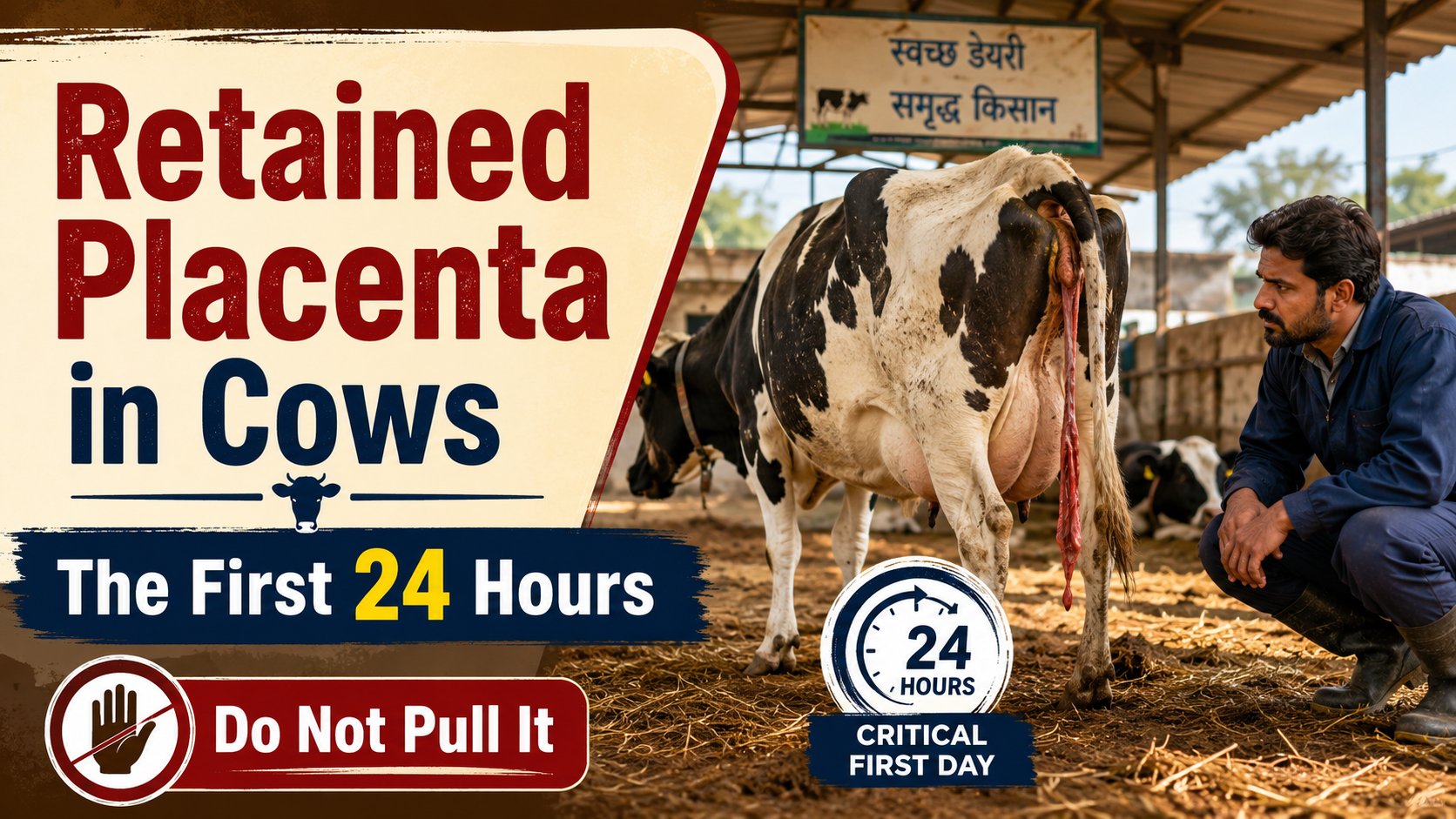
Calve in a clean, dry, disinfected pen. Never pull a calf with dirty hands or ropes. Deal with a retained placenta correctly (see our guide on the retained placenta first 24 hours) and follow a proper post-calving uterine care routine.
Treat as urgent and call a vet if you see: high fever with a watery, rotten-smelling discharge; the cow going off feed and lying down; a placenta hanging for more than 24 hours; or straining with tissue protruding (possible uterine prolapse). Early action protects both the current lactation and the next pregnancy.
Not always. A clear or slightly cloudy mucus discharge when a cow is in heat is normal. But a thick white, cream or pus-like discharge, or any foul-smelling discharge after calving, points to a uterine infection (endometritis) and should be checked by a veterinarian.
Normal reddish-brown lochia clears within about 2 to 3 weeks as the uterus involutes. Discharge that is still present, turns white or pus-like, or smells bad after three weeks suggests endometritis and needs veterinary evaluation and uterine support.
Yes. Metritis and endometritis are leading causes of repeat breeding and delayed conception because inflammation damages the uterine lining. Clearing the infection and supporting uterine involution early greatly improves the chance of conceiving in the next breeding.
This article is for general educational guidance for Indian dairy farmers and does not replace professional veterinary advice. Always consult a qualified veterinarian for diagnosis and treatment. By Cattle Remedies.
References: Postpartum Metritis and Endometritis in Dairy Cows (PMC, 2025); Preventing postpartum uterine disease in dairy cattle (PMC).