Call us now
.png)

Milk production is the backbone of every dairy farm. Whether you manage a small household dairy unit or a commercial dairy farm, maintaining healthy and productive cattle is essential for sustainable income. Farmers often focus on feed quantity, but the quality of nutrition, animal health, and proper veterinary care are equally important for achieving high milk yield.
In recent years, many farmers have started adopting natural and herbal cattle remedies to improve milk production while maintaining the overall health of their animals. Proper nutrition, digestive health, reproductive care, and immunity support all contribute to better milk productivity in cows and buffaloes.
In this guide, we will explore effective remedies for cattle to boost milk production naturally, along with the role of proper veterinary care and supportive herbal formulations.
Milk yield in dairy animals depends on several biological and management factors. Even healthy animals may produce less milk if these factors are not properly managed.
Some of the major factors influencing milk production include:
When these factors are optimized, cattle can naturally produce higher milk yields without unnecessary stress on their bodies.
This is why farmers often use supportive cow veterinary medicine and herbal supplements along with proper feeding practices.
Natural Nutritional Remedies to Increase Milk Production
Nutrition is the most important factor in dairy productivity. Cattle require a balanced diet rich in protein, minerals, vitamins, and energy sources.
1. Balanced Green Fodder and Dry Feed
Green fodder such as berseem, maize, sorghum, and napier grass provides essential nutrients and improves digestion. Along with green fodder, dry feed like wheat straw or hay should be provided to maintain proper rumen function.
Farmers should also include protein-rich feed ingredients such as oil cakes, soybean meal, and cottonseed cake.
A balanced diet helps improve digestion and ensures better nutrient absorption, which directly contributes to higher milk production.
2. Mineral Mixtures and Supplements
Mineral deficiency is one of the most common causes of low milk yield in cattle. Essential minerals such as calcium, phosphorus, magnesium, and trace elements are required for proper metabolic function.
Adding a good mineral mixture to cattle feed improves:
Veterinarians often recommend supportive cattle veterinary medicine or supplements to maintain mineral balance and improve dairy productivity.
3. Digestive Health Support
Healthy digestion plays a key role in nutrient absorption. If cattle cannot properly digest feed, they cannot convert it into milk efficiently. Digestive tonics and herbal supplements can help maintain rumen health and improve feed conversion efficiency.
Products like Cattle Remedies Grazup, which support digestive health, can help animals utilize feed nutrients more effectively and maintain overall metabolic balance.
Good digestion ultimately means better energy availability for milk production.
Importance of Liver Health in Dairy Cattle
The liver plays a vital role in metabolism, detoxification, and nutrient utilization. A healthy liver helps animals convert nutrients from feed into energy and milk.
When the liver is weak or overloaded, cattle may experience:
Supportive herbal formulations like Cattle Remedies Heprich are often used to maintain liver health and improve metabolic efficiency in livestock. When liver function improves, cattle can utilize feed nutrients better, which ultimately supports higher milk productivity.
Reproductive Health and Milk Production
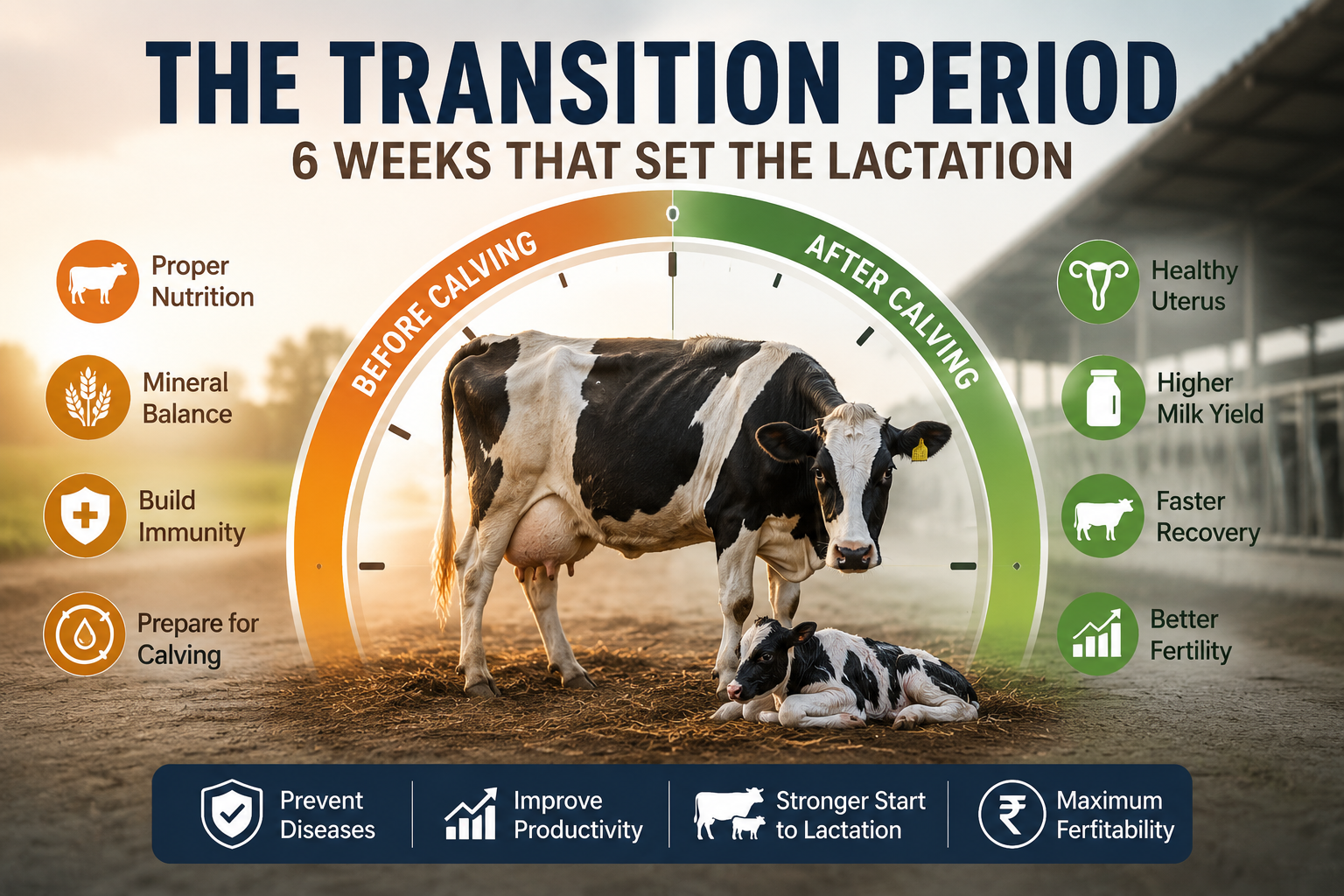
Reproductive health is closely linked to dairy productivity. After calving, cows require proper uterine recovery to maintain a healthy lactation cycle.
Poor reproductive health may lead to:
In such situations, veterinarians may recommend supportive formulations like Cattle Remedies Uterotone, which help maintain uterine health and reproductive balance. Healthy reproductive cycles ensure that dairy animals maintain a consistent lactation pattern and stable milk production.
Respiratory Health and Its Indirect Impact on Milk Yield
Respiratory infections can significantly affect dairy productivity. When cattle suffer from cough, cold, or respiratory distress, their feed intake and energy levels drop.
This can directly reduce milk production.
Supportive herbal solutions such as Cattle Remedies Cufcril are commonly used to help manage respiratory discomfort and maintain respiratory health in livestock. Maintaining overall animal health through proper cow medicine and preventive care ensures that animals remain productive and stress-free.
Farm Management Practices That Improve Milk Yield
Apart from nutrition and veterinary care, good farm management practices also play a major role in improving milk productivity.
Comfortable Housing: Proper ventilation, clean bedding, and sufficient space help reduce stress and improve animal comfort.
Clean Water Supply: Dairy cattle require large amounts of clean water for proper digestion and milk synthesis. Dehydration can quickly reduce milk yield.
Regular Health Monitoring: Routine veterinary checkups help detect diseases early and ensure timely treatment using appropriate cattle medicine.
Stress Reduction: Stress caused by overcrowding, extreme weather, or poor management can negatively affect milk production. Healthy and stress-free animals naturally produce more milk.
Modern dairy farming is gradually moving toward natural and herbal cattle remedies because they offer several advantages:
Many herbal formulations used in cow veterinary medicine work by strengthening the animal’s natural physiological processes rather than simply treating symptoms.
This holistic approach helps maintain both animal welfare and dairy profitability.
Conclusion
Improving milk production in cattle is not just about feeding more it is about maintaining balanced nutrition, good digestion, reproductive health, and strong immunity. When farmers combine proper feeding practices with effective veterinary care, dairy animals can perform at their full potential.
Natural solutions such as digestive support products, liver tonics, reproductive health supplements, and respiratory care formulations can help maintain overall livestock health. Using the right cattle remedies, cow medicine, and cattle veterinary medicine at the right time allows farmers to improve milk yield while keeping animals healthy and productive.
By focusing on holistic animal care, dairy farmers can achieve sustainable milk production and better long-term profitability.