Call us now
.png)
For decades, probiotics have been recognized primarily for their digestive benefits in livestock. However, recent advances in microbiome science have uncovered a fascinating truth: the gut is not just a digestive organ, but a central communication hub influencing brain function, immunity and even behavior. This intricate network, known as the gut–brain–immune axis, is reshaping how we understand animal health and productivity.
Probiotics, once valued mainly as feed additives, are now being explored as bio-therapeutic agents that can influence mood, stress resilience, immune responses and disease resistance through this axis. Understanding this link opens new opportunities for promoting welfare and productivity naturally and safely.
The gut–brain–immune axis represents a dynamic, bidirectional communication system connecting the intestinal microbiota, the central nervous system (CNS) and the immune system. It operates through neural (vagus nerve), endocrine (hormonal) and immune (cytokine) pathways.
Modern livestock are exposed to multiple stressors: heat, transport, weaning, crowding and infection all of which can disrupt gut microbiota and elevate stress hormones like cortisol. Probiotic supplementation helps in:
- Reducing Cortisol Levels
- Improving Feed Intake During Stress
- Enhancing Mood and Behavior
A healthy gut barrier is the cornerstone of disease resistance. Probiotics fortify intestinal integrity by:
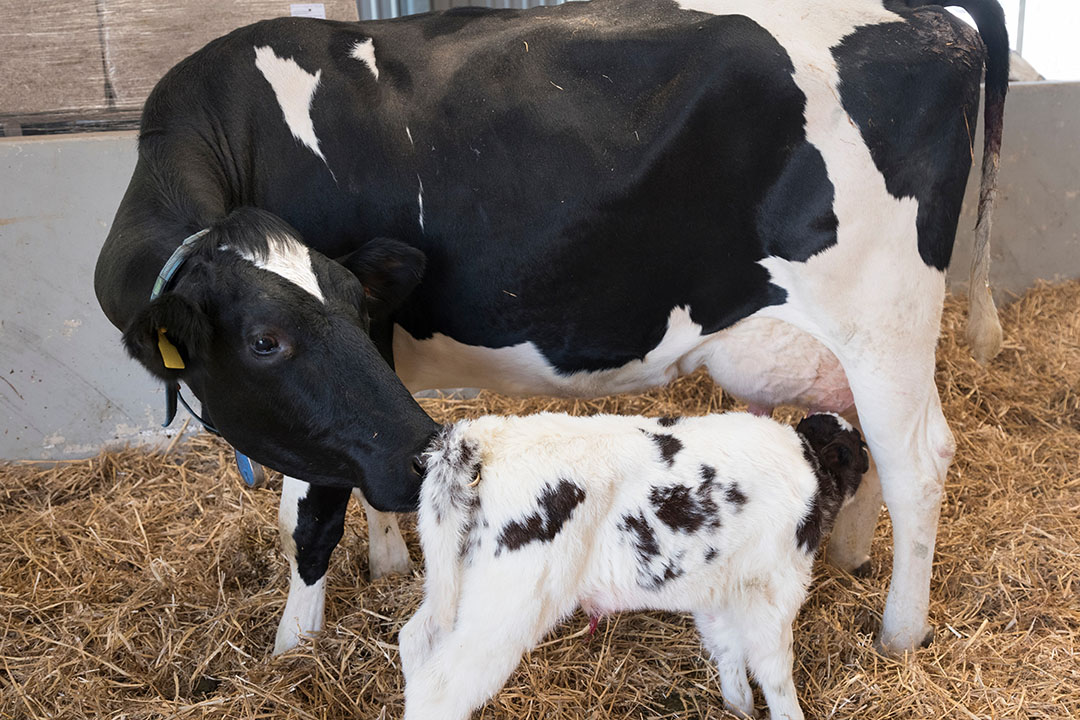
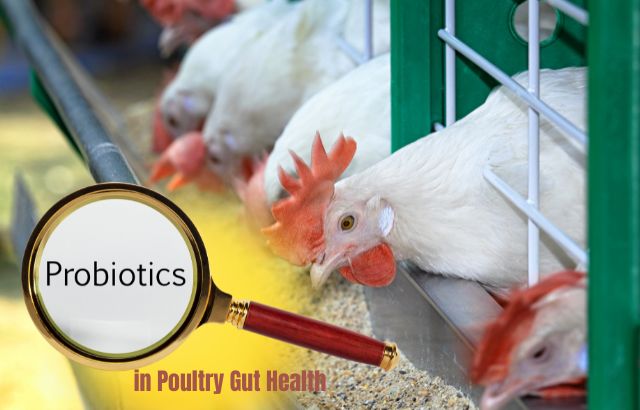
In calves, Saccharomyces cerevisiae supplementation reduced diarrhea incidence and improved immunity post-weaning (Uyeno et al., Microbes and Environments, 2015). Similarly, Lactobacillus strains in poultry have shown to enhance gut histology, villus height and immune organ development.
The gut–brain–immune axis influences not just health but also production performance. By lowering oxidative stress and systemic inflammation, probiotics optimize metabolic efficiency and nutrient partitioning toward growth and lactation.
Thus, maintaining a balanced gut microbiota leads to healthier, calmer and more productive animals, a sustainable outcome in antibiotic-free farming.
GRAZUP, an advanced polyherbal–probiotic formulation, embodies the modern approach to supporting the gut–brain–immune axis in livestock.
The gut–brain–immune axis has revolutionized our understanding of animal physiology. Probiotics are no longer just digestion enhancers; they are microbial allies influencing stress, mood and immunity. By nurturing this complex network, we can achieve better animal welfare, higher productivity and reduced antibiotic reliance.
Formulations like GRAZUP demonstrate how science and Ayurveda can converge to restore balance from the gut outward creating a foundation for healthier, happier and more productive livestock.
This blog is meant for educational and informational purposes only. Always consult a qualified veterinarian or poultry nutrition expert before using any supplement or deciding the appropriate dosage for your flock.