Call us now
.png)
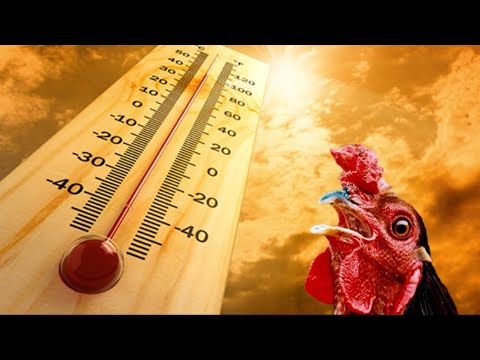
Poultry production is one of the most dynamic sectors of animal agriculture, but it is highly sensitive to environmental stressors, particularly heat. As global temperatures continue to rise, heat stress has emerged as a major constraint to poultry productivity, welfare and profitability. Poultry are homeothermic animals; however, their limited ability to dissipate heat due to the absence of sweat glands makes them extremely vulnerable to heat load. When ambient temperature exceeds the birds’ thermoneutral zone (18–24°C for broilers and 21–27°C for layers) physiological and behavioral changes occur to maintain homeostasis often at the cost of performance and health.Herbal innovation that is Amla (Emblica officinalis) stands out as one of nature’s richest sources of Vitamin C and polyphenols, making it a cornerstone ingredient in NATURCEE Powder, a natural supplement designed to reinforce immunity and stress tolerance in poultry.
Heat stress in poultry is defined as a physiological condition where the bird fails to balance body heat production and heat dissipation, leading to hyperthermia. It is broadly categorized into acute (short-term) and chronic (prolonged exposure) forms.
Key environmental factors contributing to heat stress include:
During heat stress, poultry undergo a series of physiological and metabolic adjustments aimed at maintaining thermal balance:
Altered Endocrine Function
Heat exposure reduces plasma levels of thyroid hormones (T₃, T₄), impairing metabolism and thermoregulation. Elevated corticosterone levels reflect chronic stress and immunosuppression (Yunianto et al., 1997, British Poultry Science).
NATURCEE Powder is a scientifically formulated natural Vitamin C supplement designed to enhance immunity, support antioxidant defense and help birds cope with environmental and management-related stress.
NATURCEE represents the future of eco-friendly, antibiotic-free poultry farming. By supporting the bird’s own antioxidant and immune systems, it promotes health resilience naturally, without leaving chemical residues.
Farmers using such natural supplements experience healthier flocks, better production stability, and reduced dependence on synthetic drugs contributing to safer poultry products and sustainable animal agriculture.