Call us now
.png)
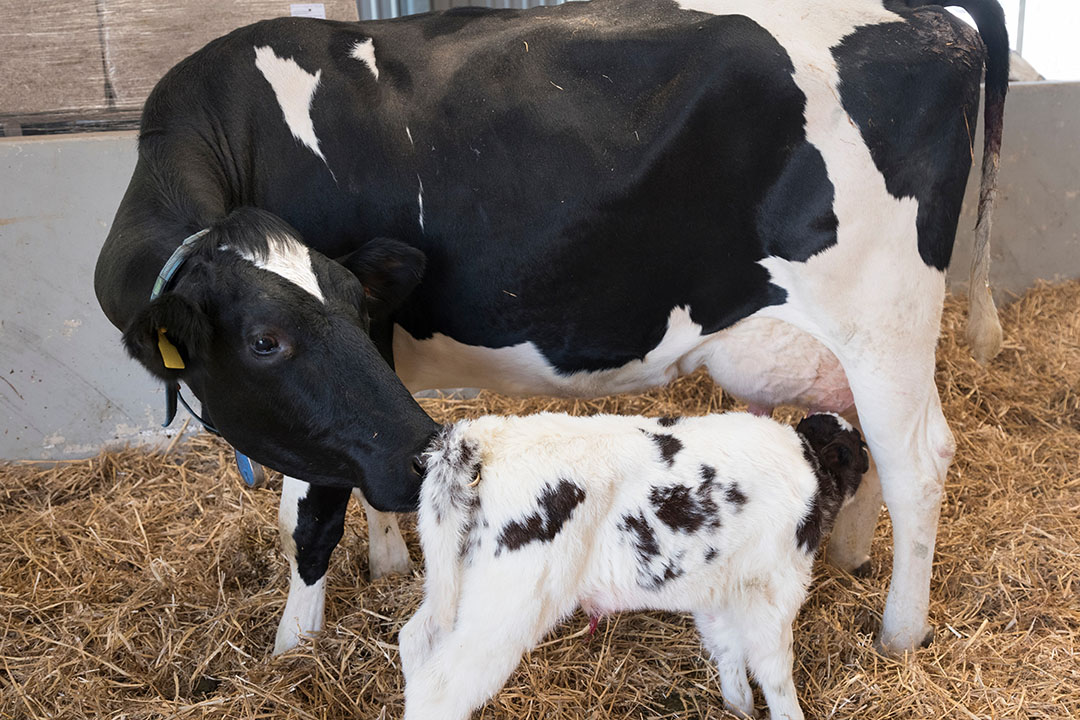
In modern dairy farming, nutritional precision is the key to achieving consistent productivity, disease resistance and reproductive success. While calcium and phosphorus often take center stage in discussions about animal nutrition, two essential vitamins Vitamin D3 and Vitamin B12 play equally vital but often underappreciated roles. These “hidden defenders” act as biochemical regulators that determine how efficiently the animal utilizes nutrients, maintains metabolic balance and produces high-quality milk.
Vitamin D3 (cholecalciferol) is a fat-soluble vitamin synthesized in the skin under ultraviolet (UV) light or obtained from the diet. Its most critical role in ruminants is to enhance intestinal absorption of calcium and phosphorus, two minerals essential for bone strength, milk secretion and muscle function.
After entering the body, Vitamin D3 is converted to calcitriol (1,25-dihydroxycholecalciferol), the hormonally active form that binds to Vitamin D receptors in the intestinal mucosa, promoting calcium-binding protein synthesis. These proteins facilitate efficient uptake of calcium from the digestive tract into the bloodstream.
During lactation, calcium demand rises sharply, particularly around parturition. If calcium homeostasis fails, the animal is at risk of hypocalcemia (milk fever). Research indicates that cows with adequate Vitamin D3 status can mobilize calcium from bones more efficiently, maintaining stable blood calcium levels during early lactation.
Thus, Vitamin D3 plays a preventive role against postpartum metabolic disorders by ensuring calcium availability for milk synthesis and neuromuscular function.
Vitamin D3 ensures proper mineralization of bones by maintaining an optimal calcium-to-phosphorus ratio. Deficiency leads to rickets in young animals and osteomalacia in adults, conditions characterized by soft, weak bones and impaired mobility. Supplementation with Vitamin D3, as in Cattle Remedies Chelated CALCICRIL, strengthens the skeletal framework and supports long-term structural integrity of dairy animals.
Vitamin B12 (cobalamin) is a water-soluble vitamin that serves as a cofactor in energy-yielding metabolic reactions. It facilitates the conversion of propionate a volatile fatty acid produced in the rumen into glucose through the gluconeogenesis pathway. Glucose is the primary energy source for lactose synthesis in milk, making Vitamin B12 indispensable for high-yielding dairy animals (Girard et al., 2009, Journal of Dairy Science).
Without adequate B12, energy metabolism becomes inefficient, leading to reduced milk yield, poor feed conversion and lowered productivity.
Vitamin B12 also plays a role in methylation reactions and myelin formation, which maintain nerve function and cognitive stability. In reproductive physiology, it supports folate metabolism and DNA synthesis, critical for embryonic development and fertility (Rathore et al., 2021, Indian Journal of Animal Research).
Interestingly, Vitamin B12 is not synthesized by the animal itself but by rumen microbes, provided there is enough cobalt in the diet. A deficiency of cobalt directly translates to low B12 synthesis, impairing energy metabolism. Hence, formulations like Chelated CALCICRIL, fortified with both chelated trace minerals (including cobalt sources) and Vitamin B12, ensure complete metabolic support for high-performing dairy animals.
While D3 and B12 act through distinct pathways, their combined roles are synergistic:
Together, they ensure that the animal not only consumes nutrients but also utilizes them efficiently, translating nutrition into productivity.
Chelated CALCICRIL is a scientifically designed liquid feed supplement that addresses these exact needs. It combines calcium (3600 mg), phosphorus (1800 mg), vitamins D3 and B12, glycine-chelated trace minerals (Zn, Cu, Mn), and phytoactives (Shatavari, Jivanti, Fenugreek, and Ginger) to enhance absorption, metabolism and performance.
By combining nutritional science with phytogenic support, Chelated CALCICRIL helps prevent metabolic disorders like rickets, osteomalacia, and pica, while maintaining consistent milk yield and animal vigor.
See also: Best Mineral Mixture for Cattle in India — our in-depth buying guide.