Call us now
.png)
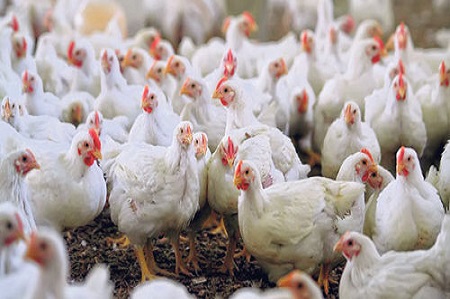
In modern poultry production, the fertility and reproductive performance of male birds play a decisive role in determining hatchability and overall flock productivity. The fertility rate of breeding males directly affects the number of fertile eggs, embryo viability and the success of hatchery operations. However, reproductive challenges such as oxidative stress, poor semen quality and endocrine imbalances are common in breeder males, especially under intensive production and climatic stress conditions. This has prompted the search for safe, sustainable and effective solutions and this is where phytobioactive ingredients come to the forefront.
The reproductive capacity of male birds depends on several interconnected physiological processes: testicular development, spermatogenesis, sperm maturation and the hormonal regulation of the hypothalamic pituitary gonadal (HPG) axis.
Testosterone, produced by Leydig cells in the testes, plays a critical role in the development of reproductive organs, libido and semen production. Any disturbance in this hormonal balance, whether due to nutritional deficiencies, thermal stress or oxidative damage, can result in decreased fertility, lower semen volume and reduced hatchability.
Additionally, oxidative stress caused by an imbalance between reactive oxygen species (ROS) and antioxidant defense systems is a key factor contributing to sperm damage. ROS can impair sperm membrane integrity, motility and DNA stability, ultimately reducing fertilization capacity.
Phyto bioctives refer to biologically active plant-derived compounds such as alkaloids, flavonoids, saponins, terpenoids, tannins and polyphenols that exert physiological and pharmacological effects. When formulated synergistically, they can support hormonal balance, improve semen quality and protect testicular tissue from oxidative damage.
In recent years, polyherbal formulations like HATCHIFY have gained attention for their potential to naturally enhance reproductive efficiency in male birds. These formulations combine adaptogenic, antioxidant and androgenic herbs, offering a multifaceted approach to fertility enhancement.
Oxidative stress is one of the leading causes of poor sperm motility and reduced fertility in breeder males. Herbs like Withania somnifera (Ashwagandha), Emblica officinalis (Amla), and Tribulus terrestris are rich in natural antioxidants such as flavonoids and polyphenols. These compounds neutralize free radicals, stabilize cell membranes and protect the sperm’s lipid bilayer from peroxidation.
Phytobioactives such as protodioscin (from Tribulus terrestris), withanolides (from Withania somnifera), and saponins (from Asparagus racemosus and Mucuna pruriens) stimulate the HPG axis, leading to improved secretion of luteinizing hormone (LH) and follicle-stimulating hormone (FSH). This, in turn, enhances testosterone production, testicular development and spermatogenesis.
Spermatogenesis the production and maturation of sperm cells is a complex, hormone-dependent process. Phyto bioactives can influence the proliferation and differentiation of spermatogenic cells through improved blood flow, nutrient utilization and cellular protection.
Thermal and oxidative stress negatively impact fertility by impairing sperm formation and testosterone synthesis. Adaptogenic herbs like Ashwagandha and Moringa oleifera modulate the hypothalamic pituitary adrenal (HPA) axis, reducing corticosterone levels and maintaining hormonal stability under stress conditions.
This adaptogenic action ensures that breeder males maintain reproductive efficiency even during periods of heat stress or nutritional challenges, a key benefit in tropical and high-temperature poultry production systems.
While individual herbs show specific benefits, the real strength of formulations like HATCHIFY lies in the synergistic action of multiple phyto bioactives. By combining adaptogens, antioxidants and reproductive tonics, HATCHIFY enhances semen quantity, sperm motility and fertilizing potential without hormonal side effects.
As the poultry industry evolves toward more sustainable and welfare-friendly practices, the use of phytobioactive polyherbal formulations represents a promising and scientifically validated approach to reproductive management. Herbs offer a multi-dimensional mode of action, antioxidant defense, hormonal modulation and stress adaptation that together sustain testicular function and semen quality in breeding males.
HATCHIFY, as a next generation phyto bioactive polyherbal formulation, bridges traditional herbal wisdom with modern reproductive science. By supporting fertility, semen vitality and testicular health, it contributes significantly to improved hatchability, flock performance and economic returns naturally and safely.