Call us now
.png)
In modern dairy farming, productivity depends not only on genetics and feed quality but also on the digestive efficiency of ruminants. Among the many challenges to optimal rumen health, bloat and excessive gas formation are often underestimated. While visible bloat episodes are easy to identify, subclinical gas buildup silently affects feed utilization, nutrient absorption and ultimately, milk yield. Understanding the hidden physiological and microbial mechanisms behind bloat and addressing them through natural, phytobioactive interventions like Cattle Remedies BLOATGUL Plus can be the key to unlocking better productivity and animal comfort.
The rumen functions as a biological fermentation chamber, hosting billions of microbes bacteria, protozoa, fungi and archaea that break down fibrous plant material into volatile fatty acids (VFAs), microbial proteins and gases (mainly CO₂ and CH₄). Under normal conditions, these gases are expelled through eructation (belching).
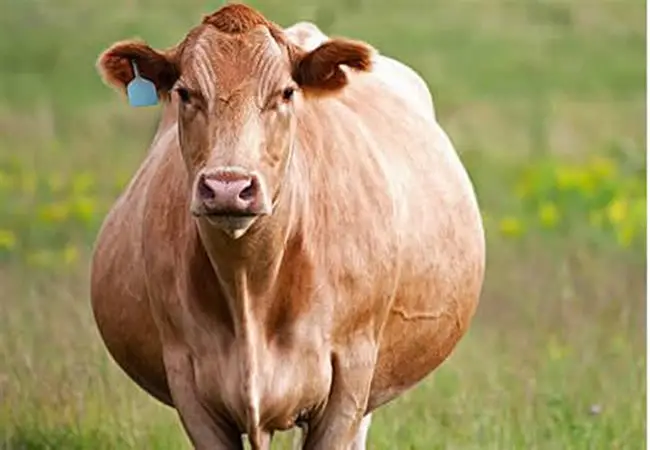
However, when this process is disrupted due to rapid fermentation, excessive foam formation, or feed imbalance gases become trapped within the rumen. This leads to bloat (tympany), a condition characterized by rumen distension, pressure on the diaphragm and impaired cardiac and respiratory function. Even when not fatal, frequent or mild gas retention episodes interfere with rumen motility, feed intake and nutrient assimilation.
Subclinical bloat results in reduced rumination and rumen contractions. This slows down digestion and decreases feed conversion ratio (FCR). The energy that should go toward milk synthesis is diverted to maintaining rumen motility and overcoming discomfort.
A healthy rumen maintains a pH range of 6.0–6.8. Gas retention and foam formation alter this environment by trapping fermentation gases and hindering normal mixing. This microenvironmental change allows lactic acid-producing bacteria to dominate, leading to mild acidosis and a reduction in fiber digesting microbes.
Recent studies have shown that chronic rumen distension leads to oxidative stress within the ruminal epithelium. Accumulated gases increase pressure and reduce oxygen availability to the rumen wall, triggering inflammatory responses. This metabolic imbalance decreases nutrient absorption efficiency, creating a vicious cycle of low productivity and higher metabolic burden.
Even subclinical digestive distress reduces the synthesis of acetate and butyrate the key precursors of milk fat, cows with ruminal gas retention showed up to 12% lower milk fat yield compared to healthy controls.
Traditional antifoaming agents may provide temporary relief, but they do not address the root causes of excessive gas formation, poor digestion and microbial imbalance. Modern veterinary science is now focusing on phytobioactive formulations plant-derived combinations that modulate digestion, gas release, and microbial ecology simultaneously.
BLOATGUL Plus is a polyherbal, antiflatulent formulation designed to provide instant and lasting relief from gaseous and frothy bloat in ruminants. It combines time-tested Ayurvedic herbs with modern digestive science to restore rumen health and comfort.
For dairy farms facing recurrent digestive issues, incorporating BLOATGUL Plus into the herd’s health protocol can deliver measurable benefits. Administering the formulation during diet transitions, high-grain feeding, or early lactation helps minimize digestive disturbances.
Bloat is not just a digestive emergency it is a metabolic signal that the rumen ecosystem is under stress. Ignoring recurrent or mild gas accumulation can silently erode feed efficiency, fertility and milk output.
With BLOATGUL Plus, dairy farmers can move beyond temporary relief to building digestive resilience. Powered by the synergy of Kabila, Hing, Tarpeen oil, Alsi oil and Simethicone, it ensures lasting comfort, better feed conversion and optimal milk performance naturally.